Free shipping on UAE orders over 170 AED Shop now

TerraTight guide

Waterproofing a Flat Roof in the UAE: A Pre-Winter Checklist

By the TerraTight technical team · Updated October 24, 2026

Waterproofing a Flat Roof in the UAE: A Pre-Winter Checklist

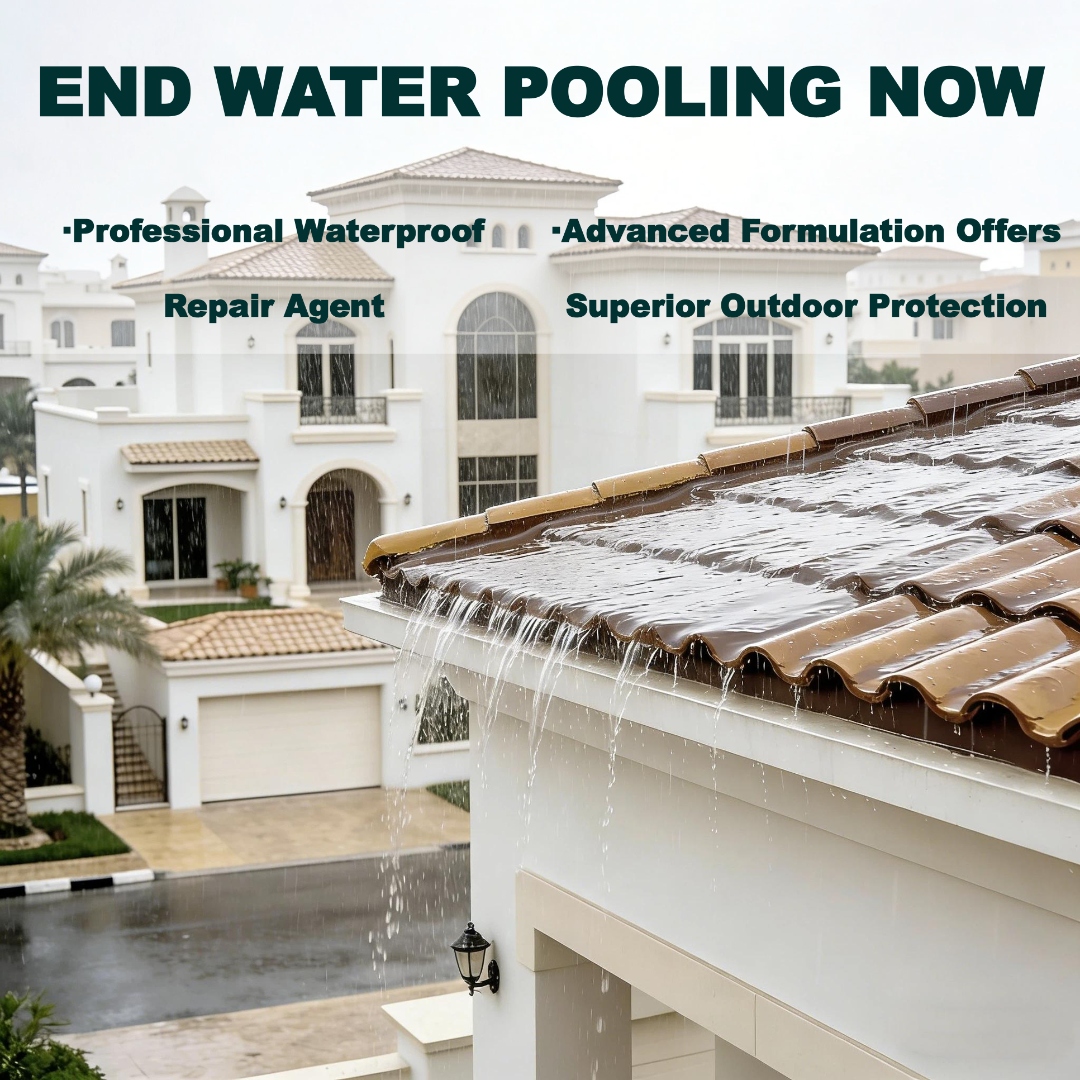
Rain in the UAE is rare, but when it comes it can be intense, as the record-breaking storm of April 2024 showed. Flat roofs that have spent months under 50°C sun develop hairline cracks, failed joints and blocked outlets that nobody notices until water comes through the ceiling. The best time to deal with them is before the winter rain, while the weather is mild. This checklist covers what to inspect, what to fix and how to protect the roof.

When to do it

Aim for October and November, after the worst of the summer heat and before the main rainy months. Mild temperatures make inspection safer and give waterproofing products the conditions they need to cure properly.

Inspection checklist

  • Drains and outlets: clear sand, leaves and debris so water can leave the roof quickly.
  • Ponding: look for stains or sand deposits that show where water collects after rain.
  • Cracks: check the surface, parapet walls and the joints between roof and walls.
  • Penetrations: AC units, pipes, water tanks and satellite brackets are the most common leak points.
  • Tiles and grout: on tiled roofs and terraces, look for open or crumbling grout lines.
  • Inside: check top-floor ceilings and walls for old water marks.

Choose the right fix

Not every roof needs the same treatment.

  • Tiled roofs, terraces and balconies in good condition: a clear sealant protects grout lines and hairline cracks without changing how the surface looks. This is where TerraTight Transparent Waterproof Sealant is the right product.
  • Brick, stone and exposed concrete walls and parapets: the same clear sealant reduces water absorption while keeping the finish visible.
  • Bare concrete slabs with active leaks, failed membranes or structural cracks: these need repair first and usually a full roofing membrane system. Ask a waterproofing specialist to inspect before applying any coating.

Applying a clear sealant

  1. Clean the surface thoroughly: remove dust, sand, grease and loose material, and let it dry completely.
  2. Stir the sealant for 2 to 3 minutes before use.
  3. First coat: apply a thin, even coat with a brush or roller. Work methodically from one side so you never walk on fresh product.
  4. Let it dry for about 24 hours, roughly one sunny day.
  5. Second coat: apply a second thin coat the same way.
  6. Protect it: keep water off for 24 hours and avoid heavy foot traffic for 48 hours.

Apply between 5°C and 40°C, and avoid the hottest part of the day even in autumn. On very porous surfaces, an extra first coat improves adhesion.

How much sealant?

Per coat, a 2 L bottle covers roughly 8 to 12 m² and a 15 L bucket roughly 60 to 90 m², depending on porosity. Because two coats are recommended, a 15 L bucket typically protects a roof of 30 to 45 m². For a 10 m² balcony, two 2 L bottles are usually enough.

After the rain

After the first heavy rain of the season, go back up and check that water drains properly and that no new damp patches have appeared inside. Clear outlets again after sandstorms. A ten-minute check each autumn costs far less than repairing a ceiling.

Want a second opinion on your roof? Send us photos and the approximate area, and our team will recommend the right approach.

Planning a project?

Get the right system and quantities

Send the size, the surface and the location. We will recommend what to use and deliver it from Jebel Ali.